
Mission & History
About The RJD
Bringing History Home
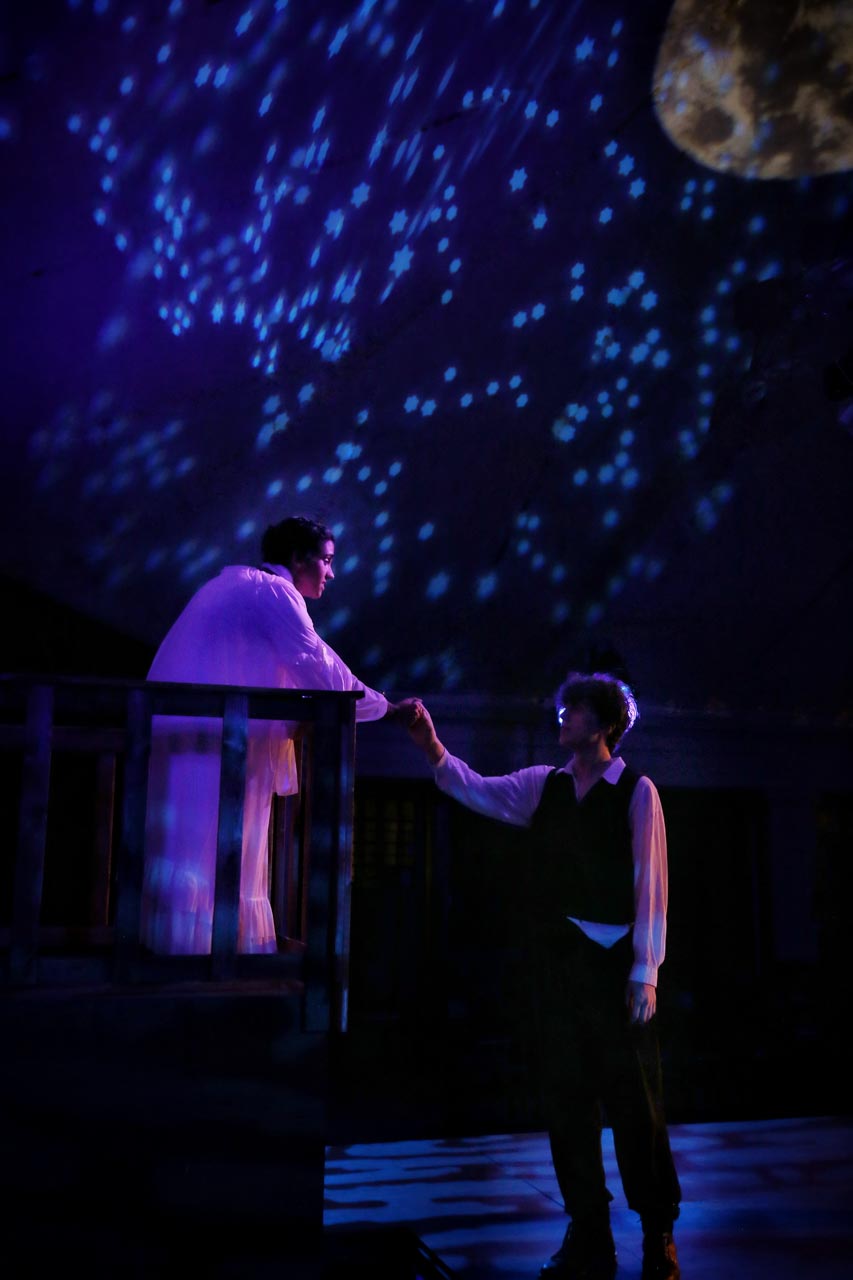
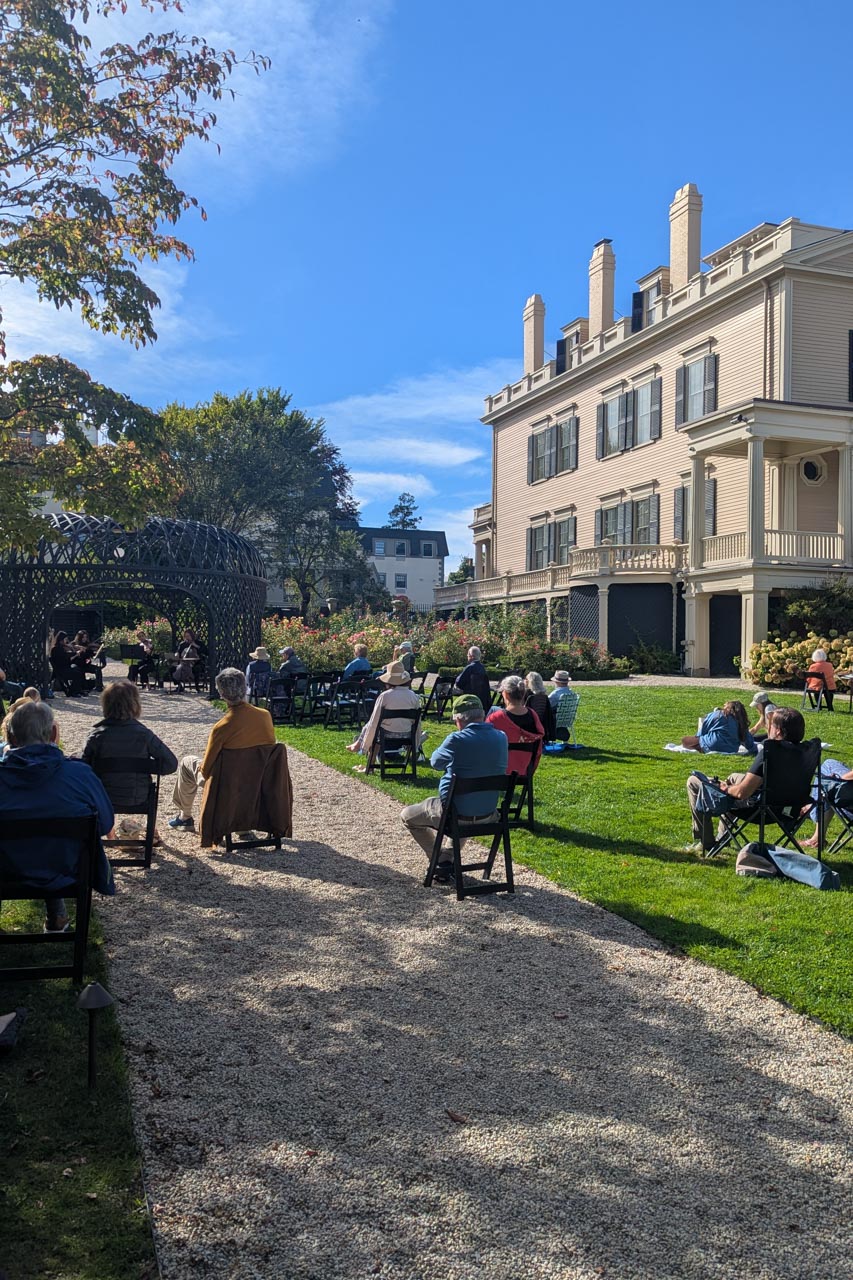
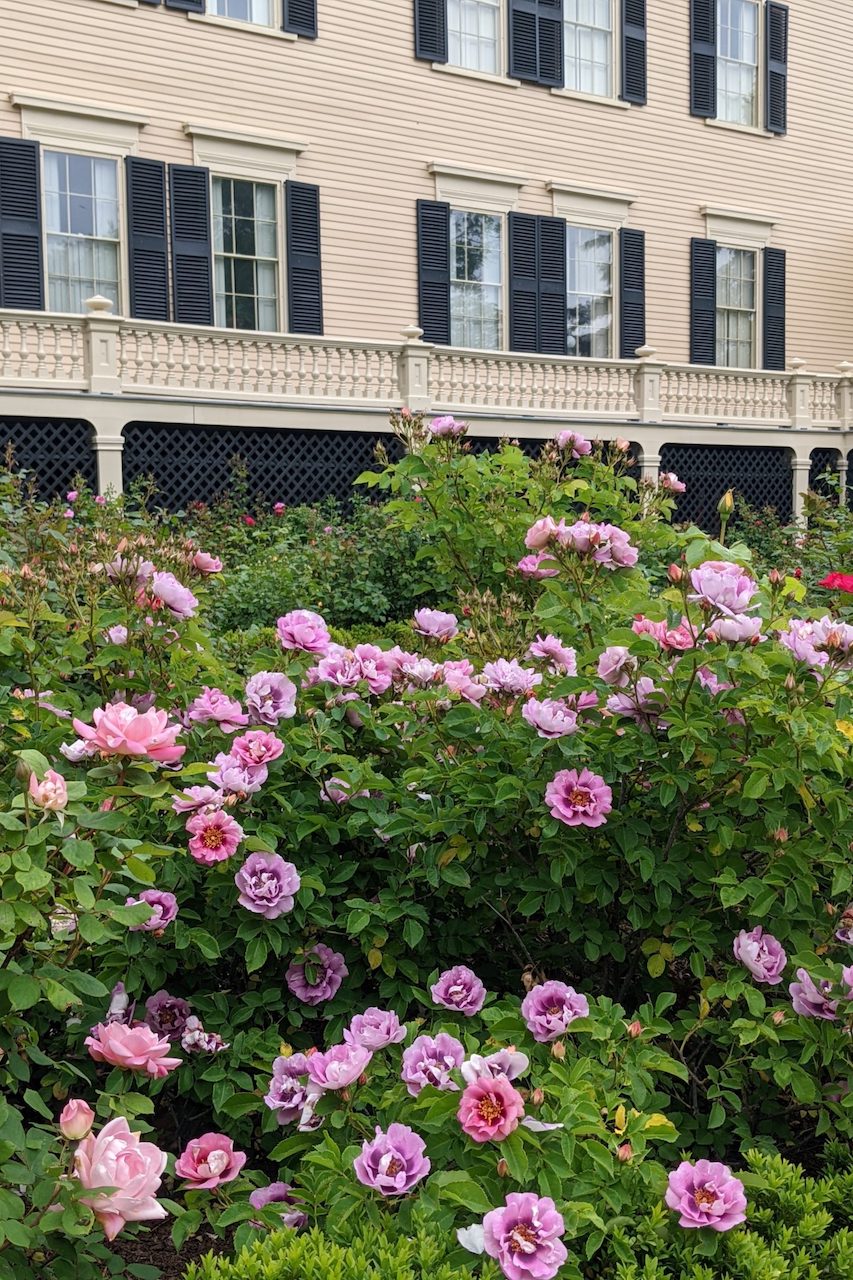
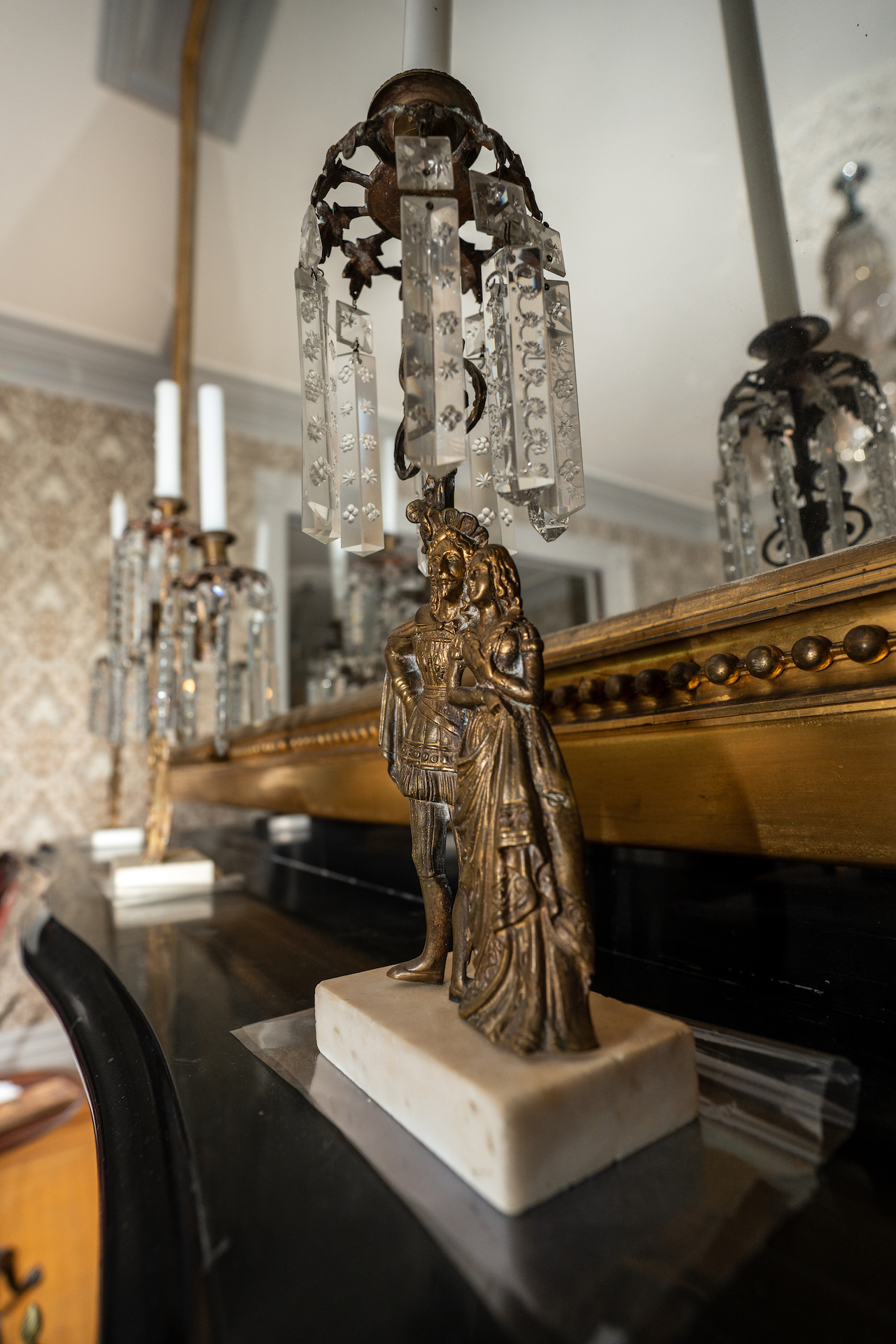
Founded in 1985 as a museum, The RJD includes a historic house on its original grounds, surrounded by an acre of gardens. As stewards of history, The RJD preserves the past for future generations. In addition, The RJD of today is also a place of inspiration, social connection, celebration, and learning. Both house and gardens are open for visitation year-round. As one of the only estates tied to New Bedford’s golden age of whaling and open for public visitation, The RJD offers a unique glimpse into the lives and lifestyles of the wealthy and working residents of this estate through exhibitions and educational programming. Visitors can enjoy a self-guided tour of the 1834 house which features both period rooms, and special changing exhibitions. A monthly calendar of programming offers opportunities to learn more about local history, architecture, horticulture, art and the decorative arts. Performances and other events activate the space and welcome people of all ages to engage with culture and community on this historic property.
In 1981, The RJD was saved from redevelopment by a group of New Bedford residents and The Waterfront Historic Area League (WHALE). They understood what we still hold true today: that the history of this place belongs to us all and connects us to our own humanity. On August 2021, the RJD Board of Trustees committed to a Strategic Plan centered on community engagement, diversity, inclusion, and expanded programming.
Years of Service

About The RJD
Our Mission
The Rotch-Jones-Duff House & Garden Museum enlivens New Bedford’s history, engages our communities, and enriches cultural understanding through stewardship, education, and entertainment.
Vision
The RJD is an anchor destination in New Bedford’s newest historic district, Abolition Row.
The RJD is a vibrant hive of community cultural, educational and social activities.
The RJD represents diverse histories, voices and perspectives.
The RJD’s ambitious goals are supported by the necessary financial resources and human capital.
Support Us
Make a Donation
A rich history and the continuing commitment at RJD. The Rotch, Jones, and Duff families were equity activists, often against popular opinion.
We continue to leverage our equity history to develop new programs highlighting ethics, racial justice, domestic life, and horticulture.
RJD’s Board and leadership team are actively committed to continuing this mission.
About The RJD
Our History at a Glance
1834
A Merchant’s Home
Quaker whaling merchant William Rotch Jr. builds the mansion, designed by young architect Richard Upjohn in the popular Greek Revival style. The home was both a private retreat and a symbol of New Bedford’s growing prosperity.
1851–1935
The Jones Family
The house is sold to Edward Coffin Jones, a successful whaling agent. His daughter, Amelia, would preserve the home for over 80 years. Her taste, philanthropy, and artistic sensibilities continue to shape the museum’s character today.
1935–1981
The Duff Era
Banker and civic leader Mark M. Duff purchases the house, bringing formal elegance and new garden elements to the estate. His wife resides in the home into the 1970s—the last private resident of the house.
1981–Present
Preservation and Public Access
Saved from demolition by the Waterfront Historic Area LeaguE (WHALE), the house reopens as a museum in 1983. Since then, the RJD has served as a vibrant hub for history, horticulture, and community engagement in New Bedford.